|
Szczegóły Produktu:
|
|
| Miejsce pochodzenia: | Chiny |
|---|---|
| Nazwa handlowa: | Sanxin |
| Orzecznictwo: | ISO9001 |
| Numer modelu: | SX-2256 |
|
Zapłata:
|
|
| Minimalne zamówienie: | 1 szt |
| Cena: | negocjowalne |
| Zasady płatności: | L/C, T/T |
| Możliwość Supply: | 10000 sztuk/miesiąc |
|
Szczegóły informacji |
|||
| Wysokie ciśnienie: | 350 MPa | Wytrzymałość: | Wysoka odporność na pękanie w porównaniu do ceramiki |
|---|---|---|---|
| Żywotność: | Super wytrzymały | Typ: | Części narzędzi |
| Temperatura robocza: | Do 1000°C | Stabilność wymiarowa: | Wysoki |
| Zawartość segregatora: | Kobalt 6-12% | Wytrzymałość na rozciąganie: | 1900 MPa |
opis produktu
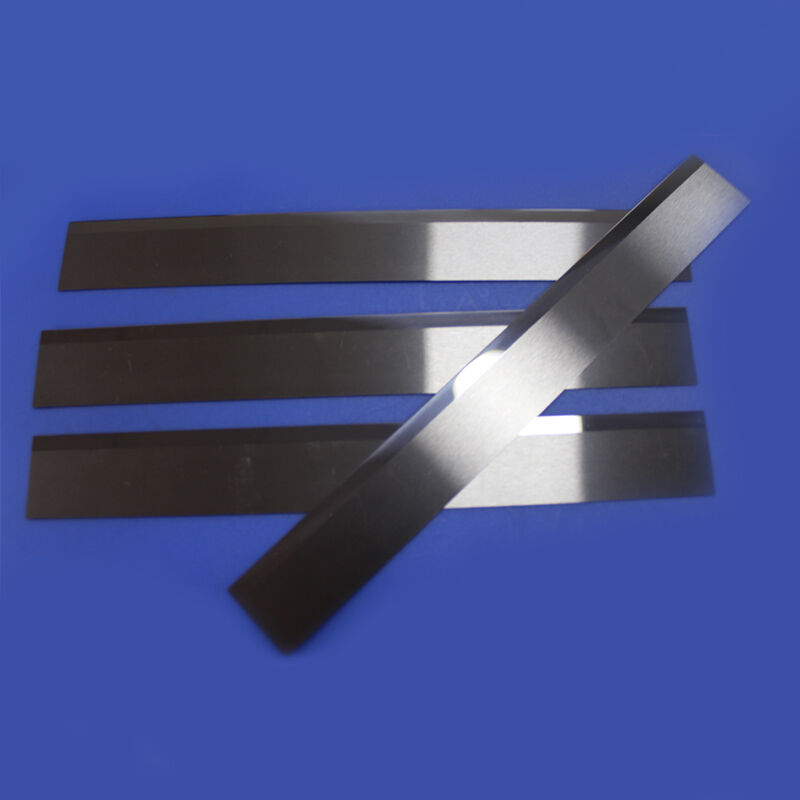
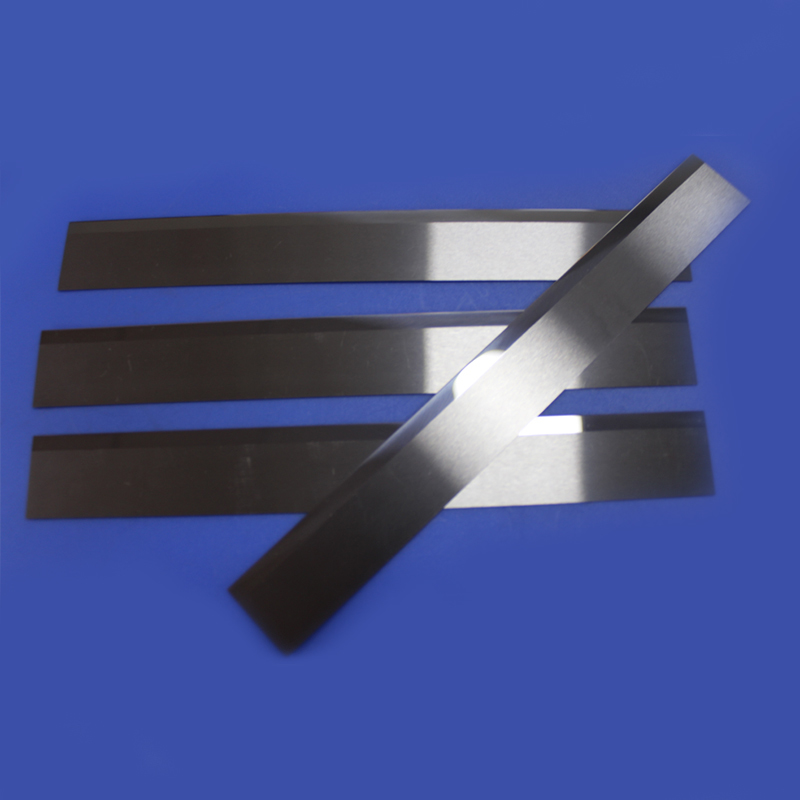
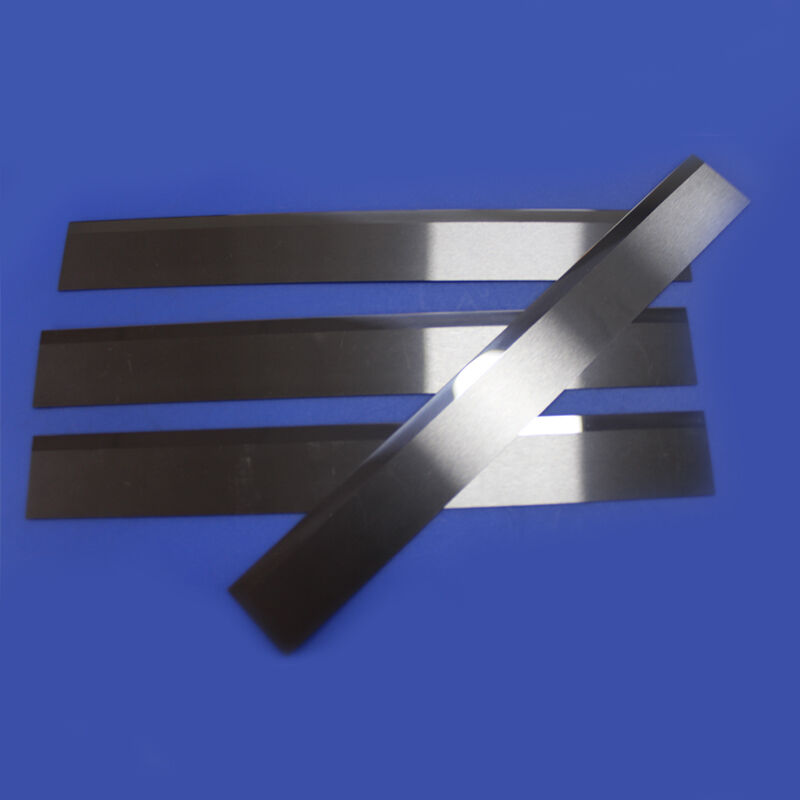
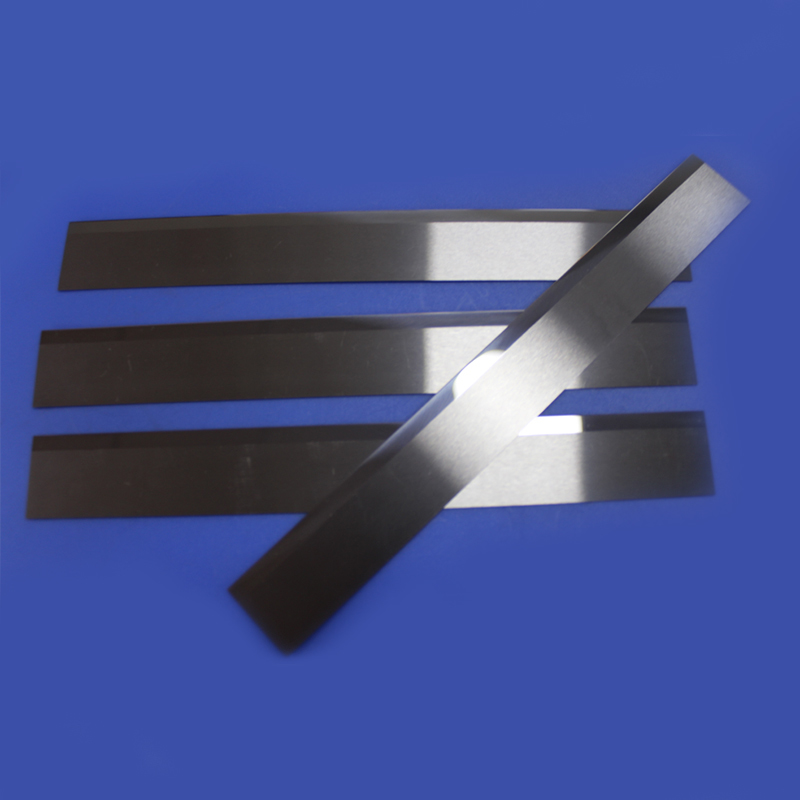
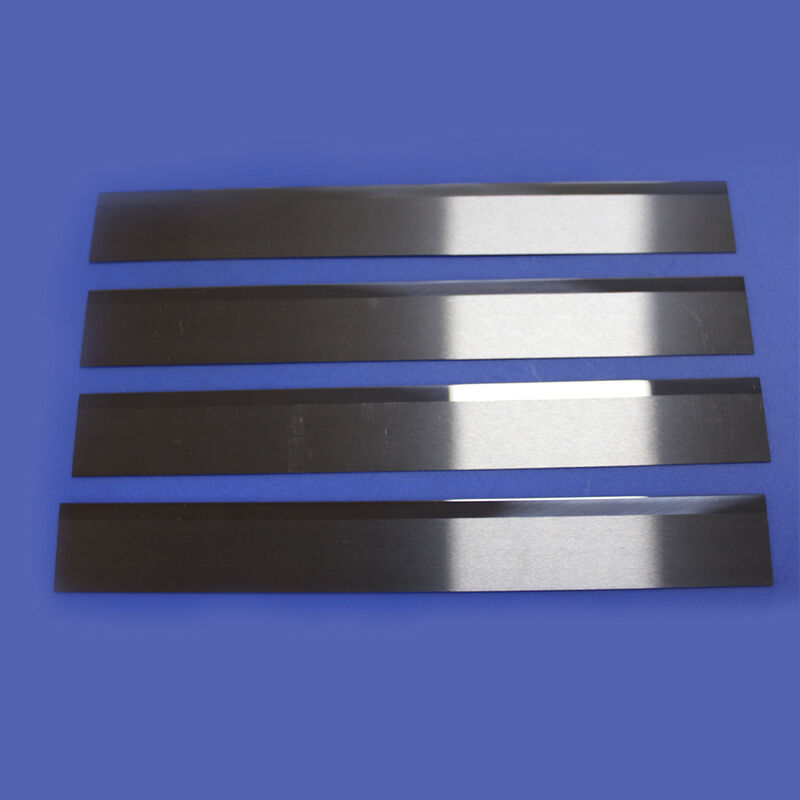
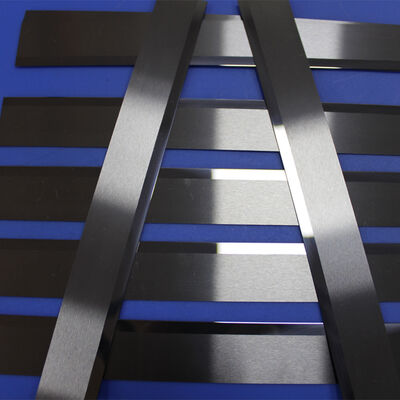
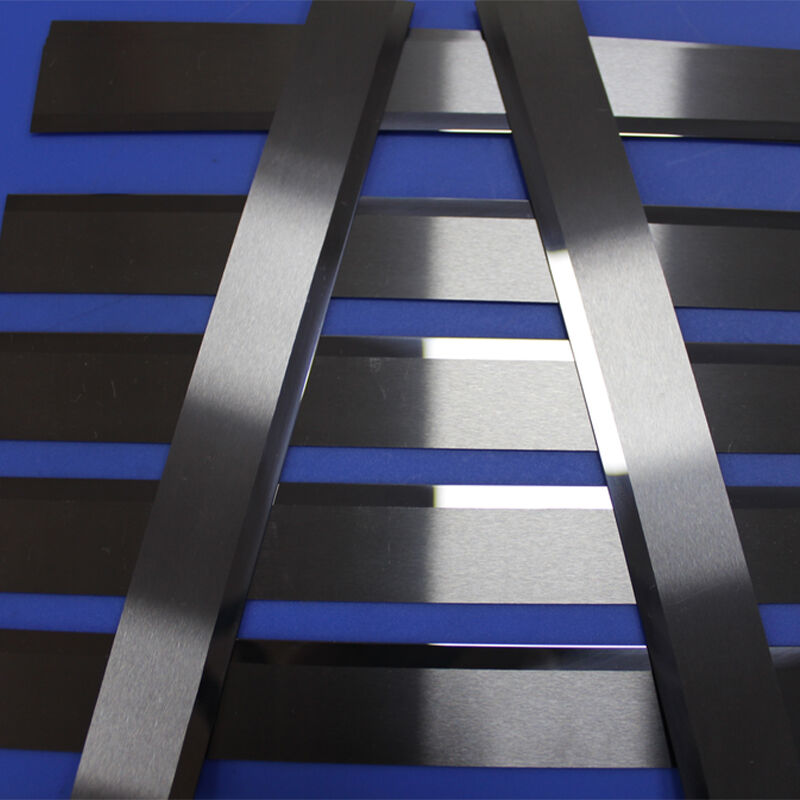
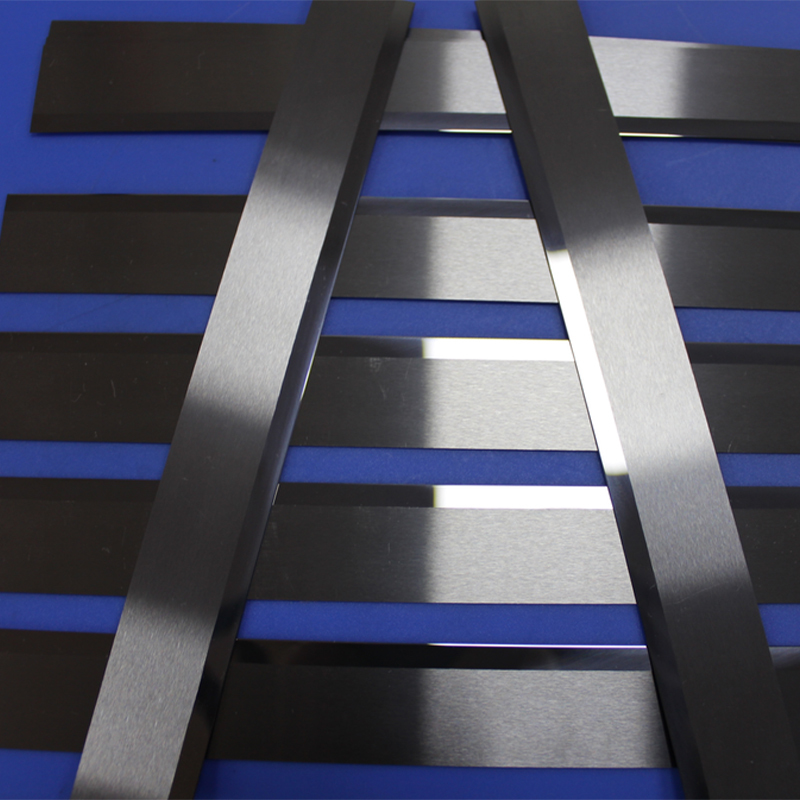
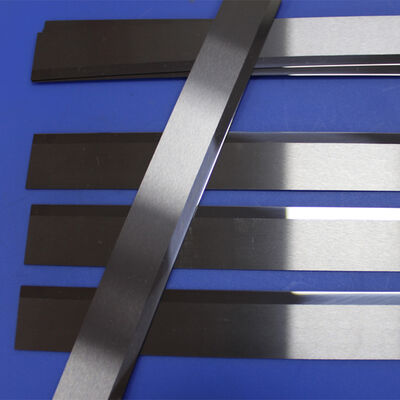
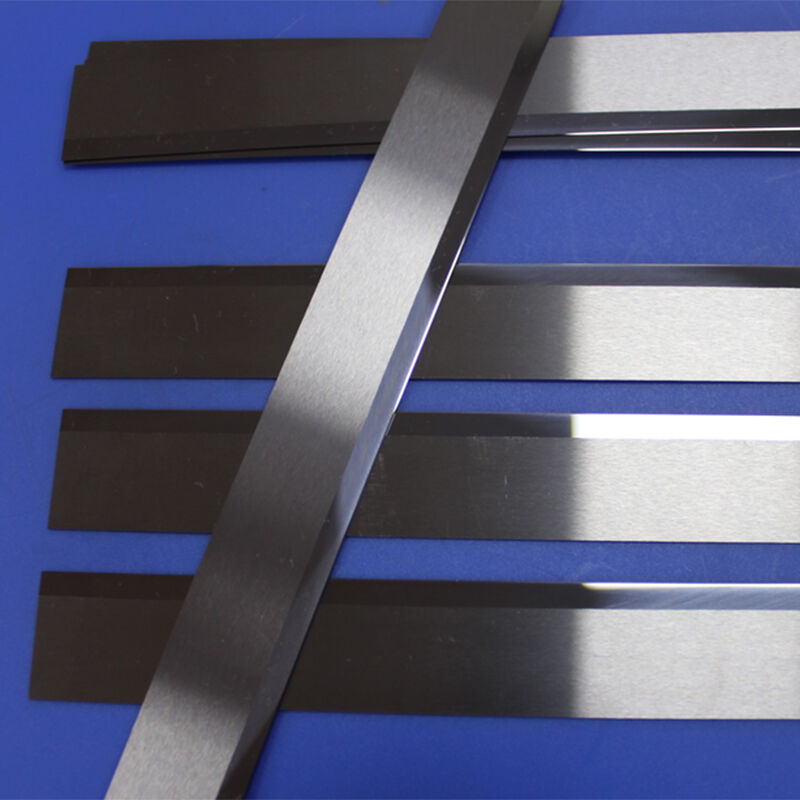
Tungsten Carbide Thin Slitting Knife Blades are ultra-thin industrial cutting tools engineered for high-precision slitting and longitudinal cutting applications. They are widely used in the processing of flexible materials such as films, tapes, BOPP, lithium battery separators, paper, and composite materials. Manufactured through integral tungsten carbide sintering technology, these blades combine an ultra-thin geometric profile with exceptional hardness, delivering burr-free, smooth cut edges even under high-speed continuous operation.
Made from high-purity virgin tungsten carbide material, the blades achieve a hardness of HRA 90 or above, significantly outperforming conventional high-speed steel (HSS) blades. In typical applications such as BOPP film slitting, the service life of tungsten carbide blades is generally 5 to 10 times longer than that of HSS blades, drastically reducing replacement frequency and downtime for maintenance.
Through high-precision edge finishing processes, the blade edges are exceptionally sharp and free from micro-defects, ensuring smooth and clean cut surfaces while effectively eliminating burrs, fiber tear-out, and stringing. For demanding precision slitting applications, a micro-ground edge design is also available to further reduce cutting resistance and minimize material waste.
Tungsten carbide offers outstanding bending strength as well as resistance to high temperatures and corrosion, enabling the blades to withstand thermal loads and mechanical stresses encountered in high-speed continuous operations. This ensures that the blades maintain dimensional stability and consistent cutting performance over prolonged use.
The table below provides a direct comparison of key performance indicators between tungsten carbide thin slitting blades and conventional high-speed steel (HSS) blades:
| Parameter | Tungsten Carbide Blade | HSS Blade | Remarks |
|---|---|---|---|
| Hardness (HRA) | ≥ 90 | 82 - 86 | Tungsten carbide offers significantly higher hardness and wear resistance |
| Bending Strength (MPa) | ≥ 2,200 | 2,500 - 3,500 | Tungsten carbide has slightly lower toughness, suited for rigid slitting conditions |
| Recommended Max. Line Speed (m/min) | 600 - 1,000 | 300 - 500 | Tungsten carbide supports higher-speed continuous operations |
| Continuous Service Life (Multiples) | Baseline (1×) | Approx. 1/5 - 1/10 | Tungsten carbide lasts 5 to 10 times longer than HSS |
| Cut Edge Quality | Smooth surface, free from burrs and stringing | Prone to burrs after prolonged use | Tungsten carbide maintains edge sharpness much longer, improving yield |
| Applicable Material Thickness Range | 0.01 mm - 2.0 mm | 0.05 mm - 1.5 mm | Tungsten carbide offers better adaptability for ultra-thin film slitting |
| High-Temperature Performance (Operating Temp.) | Up to 400°C+ | Generally ≤ 200°C | Tungsten carbide retains hardness much better at elevated temperatures |
| Unit Purchase Cost | Higher | Lower | Tungsten carbide raw materials and processing costs are higher |
| Comparison Dimension | Tungsten Carbide Blade | HSS Blade |
|---|---|---|
| Unit Purchase Cost | Higher (approx. 3-5× that of HSS) | Lower |
| Replacement Interval | Long (several months, depending on operating conditions) | Short (days to weeks, depending on operating conditions) |
| Annual Blade Consumption | Low (approx. 1/5 - 1/10 of HSS) | High |
| Annual Comprehensive Tooling Cost | Lower (typically 30%-50% savings overall) | Higher |
| Downtime for Blade Changes | Minimal | Frequent |
| Impact on Overall Equipment Effectiveness (OEE) | Positive contribution | Detrimental to overall line efficiency |
The standard commonly used specification is 57.15 mm × 19.05 mm × 0.4 mm. Thickness can also be customized, ranging from 0.1 mm to 50 mm, to accommodate different material cutting requirements. The blades typically feature a standardized single-hole design for quick and easy mounting and positioning, ensuring compatibility with the majority of domestic and imported slitting machines on the market.
Although the initial purchase cost of tungsten carbide thin slitting blades is higher than that of conventional steel blades, their significantly extended service life and consistently stable cut quality translate into substantially lower overall tooling costs. Reduced blade-change frequency also minimizes production line downtime, effectively improving Overall Equipment Effectiveness (OEE). In a market environment characterized by fluctuating raw material prices, adopting a "longer life, higher efficiency" consumables management strategy over the traditional "low cost, frequent replacement" approach has become the preferred path for precision processing industries.
Wpisz swoją wiadomość